Fairfax Kitchen Remodel Tripped the Breaker Before It Was Even Finished
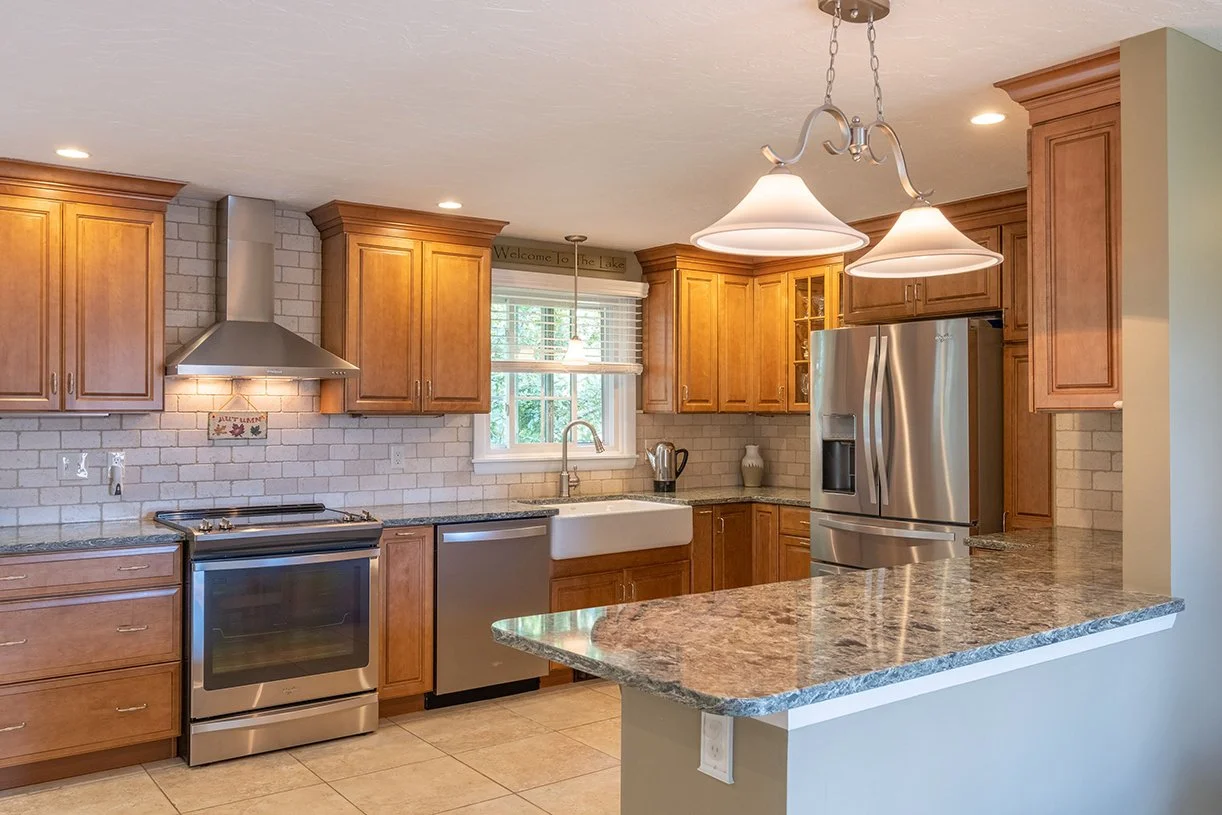
The cabinets are in. The countertops are done. The new range is sitting in the opening where the old one used to be, and the first time you turn on two burners while the microwave runs, the breaker trips. The contractor looks at the panel, shrugs, and tells you he is not an electrician. You call an electrician, who opens the panel and tells you what nobody mentioned during six weeks of planning: the existing wiring was never going to support the kitchen you just built. This is the version of a Fairfax, VA, kitchen remodel that nobody wants to be in, and it is more common than most homeowners realize because electrical planning is almost never part of the early project conversation.
The frustration of hitting this wall at the end of a remodel is compounded by the fact that addressing it after the fact is more expensive and disruptive than it would have been before demo day. Running new circuits through a kitchen that still has exposed wall framing takes a few hours. Running the same circuits through a finished kitchen means cutting into new drywall, patching, repainting, and potentially removing or working around cabinets that are now in the way. The information needed to avoid this outcome is not complicated. What it requires is that the electrical side of the kitchen remodel gets evaluated before the project starts, not after the first circuit fails under the new appliance load.
What Changes Electrically When a Kitchen Is Remodeled
A kitchen remodel in a Fairfax, VA, home almost always changes the electrical requirements of the space, even when the renovation feels cosmetic. Replacing an older electric range with a new induction model may require upgrading from a 40-amp circuit to a 50-amp circuit and from 8-gauge wire to 6-gauge wire. Adding a dishwasher where there was not one before requires a dedicated 20-amp circuit. Replacing a standard microwave with an over-the-range unit requires a dedicated circuit above the range position. Installing an island with outlets requires a new circuit run to the island location. Adding under-cabinet lighting, a garbage disposal, or a built-in refrigerator each represents an additional circuit or connection that was not present in the original kitchen.
What makes this particularly challenging in older Fairfax homes is that the original kitchen wiring was installed for a different era of kitchen appliances and a different understanding of what the NEC required. Current NEC requirements call for a minimum of two 20-amp small appliance circuits for counter-level kitchen outlets, dedicated circuits for the refrigerator and dishwasher, and dedicated circuits for the range, microwave, and any other major appliances. Many kitchens in Fairfax homes built before the 1990s have a fraction of that circuit count, with counter outlets shared on one or two circuits alongside other loads. A remodel that brings the kitchen up to current standards requires adding the circuits that the original installation never included, which is a meaningful scope of electrical work that belongs in the project plan from the beginning.
Why the Panel Is the First Stop Before Demo Day
Before any cabinets are ordered or a demo is scheduled for a Fairfax, VA, kitchen remodel, the electrical panel needs to be evaluated for two things: available circuit slots and available service capacity. The new kitchen circuits, typically five to eight dedicated circuits in a fully code-compliant modern kitchen, each require a breaker slot in the panel. A panel that is already full or near full cannot absorb that many new circuits without a panel replacement or a subpanel addition. Discovering this after the kitchen is already torn apart and the appliances have been ordered means the panel work has to happen under rushed conditions while a kitchen-less home waits for completion.
Service capacity is the second constraint. An older Fairfax home with 100-amp service running central air, an electric water heater, and an existing electric range may not have enough remaining capacity to support the new kitchen's load without a service upgrade. Adding a 50-amp range circuit, a 20-amp dishwasher circuit, a 20-amp refrigerator circuit, and two 20-amp small appliance circuits to a 100-amp service that is already near its calculated limit is a recipe for a main breaker that trips during dinner. Rojas Electric performs a load calculation as part of every kitchen remodel electrical evaluation in Fairfax, VA, so that service upgrade requirements are identified and scoped before the remodel is underway, rather than discovered when the new kitchen is fully installed, and the panel cannot support it.
The Rough-In Timing That Changes Everything
Kitchen electrical work happens in two phases during a remodel. The rough-in phase occurs after demo and before drywall, when wall cavities are open, and wiring can be run freely through framing. New circuits are pulled from the panel to their destinations, outlet boxes are installed at the correct heights and locations, and the range, dishwasher, and refrigerator circuit wiring is positioned correctly for the new appliance layout. Everything that would require cutting into finished walls after the fact gets done during rough-in, when the cost is a fraction of what it would be later.
The trim-out phase occurs after drywall and painting, when outlets, switches, and devices are installed in the rough-in boxes, and the final connections are made to appliances. In Fairfax, VA, the rough-in work requires an electrical inspection before drywall is installed, which means the permit and inspection sequence has to be planned into the remodel schedule. Contractors who do not coordinate the electrical rough-in inspection into the project timeline end up installing drywall before the inspection is complete, which either means opening finished walls for the inspector or performing the inspection with unfinished drywall that could otherwise have been closed after rough-in approval. Getting the permit pulled and the inspection scheduled before framing begins is the planning step that keeps the remodel on track.
Circuit Layout for the New Kitchen
A properly planned kitchen circuit layout accounts for where outlets will be positioned, which appliances will have dedicated circuits, and where those circuits will need to terminate relative to the appliance locations. The NEC requires that counter outlets in a kitchen be spaced so that no point along a counter is more than two feet from an outlet, measured horizontally. This spacing requirement, combined with the requirement for at least two small appliance circuits, means that a kitchen with multiple counter runs needs multiple outlet positions spread across both circuits. The two small appliance circuits must serve the counter outlets alternately, so that adjacent outlets are on different circuits and no single circuit serves the entire counter run.
Island outlets require particular planning because the circuit run to an island involves going under the floor or through a knee wall, which needs to be accounted for before the floor is reinstalled or the island is set. Outlets on an island are required to be GFCI-protected under current NEC requirements, and the positioning of GFCI outlets on the island needs to be determined before the island cabinet is built and installed. Fairfax, VA, homeowners who are having islands installed as part of a kitchen remodel and want to include outlets in the island should confirm that the electrical rough-in for those outlets is on the electrician's scope before the cabinet is ordered, since retrofitting outlets into a finished island cabinet after the fact is significantly more complicated than installing them during rough-in.
FAQs
-
Yes. Adding new circuits, relocating outlets, or upgrading existing circuits in a kitchen remodel requires an electrical permit in Fairfax, VA. The permit triggers a rough-in inspection before drywall and a final inspection after trim-out. Permitted electrical work protects the homeowner by creating an inspected record that the installation meets current code, which matters for insurance, home sales, and future work at the property.
-
A fully code-compliant modern kitchen needs a minimum of two 20-amp small appliance circuits for counter outlets, a dedicated 20-amp circuit for the refrigerator, a dedicated 20-amp circuit for the dishwasher, a dedicated 20-amp circuit for the microwave, and a dedicated 40- or 50-amp 240-volt circuit for the range or cooktop.
-
The electrical deficiencies show up when the appliances go in and the circuits cannot support the new load. At that point, adding circuits means cutting into finished walls, removing cabinet sections, patching drywall, and repainting, all of which cost more than the same work done during rough-in when the walls were open. It also means the kitchen is not fully functional until the electrical work is complete, which extends the project timeline at the most disruptive phase.
-
It depends on the panel's current load and available slot count. A 200-amp panel with several available slots and a calculated load well below capacity can typically absorb a kitchen remodel's additional circuits without a panel upgrade.
-
Kitchen counter outlets are typically installed with the outlet box center at 44 to 48 inches above the finished floor, which positions the outlet face just above the backsplash height behind standard 36-inch counters. The exact height should account for the planned backsplash tile height and the type of outlet covers being used, and should be confirmed with the cabinet and countertop installer before the rough-in boxes are set so that the outlet positions align correctly with the finished backsplash layout.