Fairfax Power Outages Keep Getting Longer — Is It Time for Backup Power?
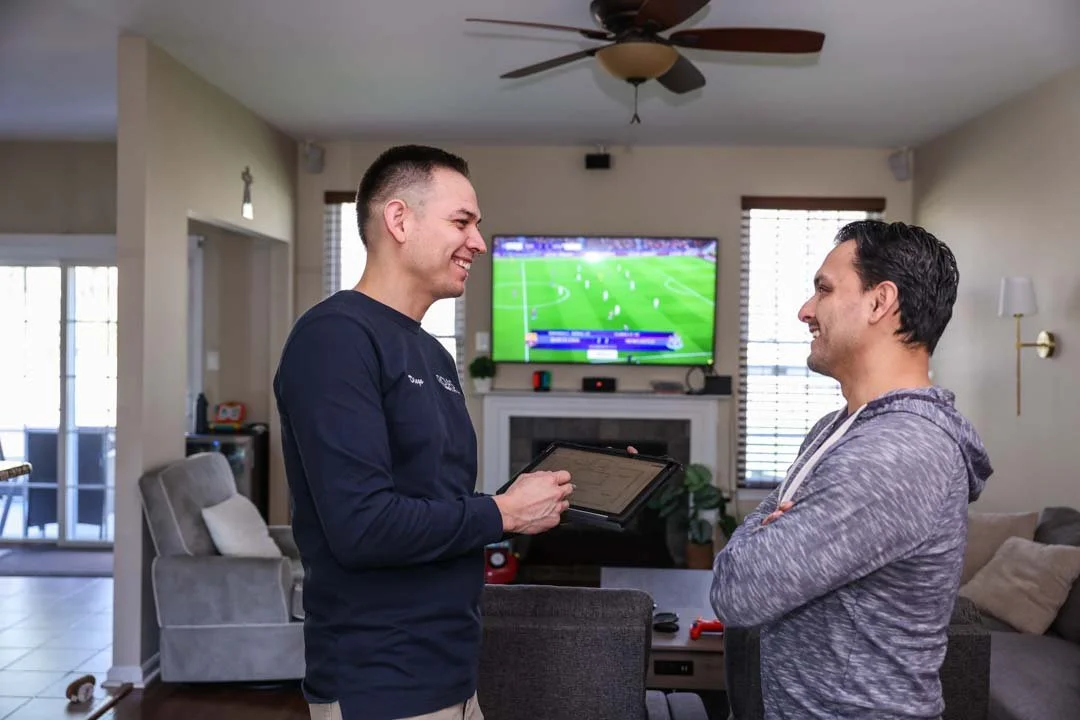
The last outage lasted 18 hours. The one before that was three days after the derecho came through. You threw out everything in the refrigerator, the sump pump sat idle while water crept toward the finished basement, and your family spent two nights in a house that was either sweltering or freezing, depending on the season. Every Fairfax, VA, homeowner who has been through an extended outage has thought about backup power at some point afterward. Most of them do not follow through, partly because the options feel overwhelming and partly because the price tags on what gets quoted first are significant enough to make the whole idea feel like a luxury rather than a practical decision. The right starting point is not shopping for equipment. It is a consultation that helps you understand what backup power can actually do for your home before you spend anything.
The backup power conversation in Fairfax, VA, has changed meaningfully over the past few years as battery backup systems have matured into a realistic alternative to whole-home standby generators for many homeowners. Battery systems are quieter, require no fuel, and can be integrated with solar if that is part of the plan. Standby generators are still the right answer for homes that need true whole-home coverage through multi-day outages, particularly homes with medical equipment, sump pumps that run continuously in wet weather, or heating systems that cannot be interrupted. What has changed is that the choice between a battery and a generator is no longer obvious in every situation, and a consultation that honestly assesses what a specific home needs produces a better outcome than a sales pitch for whichever product a particular vendor happens to carry.
What Fairfax Outage Patterns Actually Look Like
Fairfax, VA, experiences outages from a recognizable set of causes: summer thunderstorms and derechos that down trees onto lines, winter ice storms that coat everything, including utility infrastructure, and the occasional multi-day event associated with a named storm. The distribution of outage durations in Fairfax skews heavily toward short events, under four hours, with a meaningful tail of multi-day events that occur less frequently but cause the most disruption. A backup power system that handles the common short outage scenario is relatively modest in scope. A system designed to provide meaningful coverage through a multi-day event is a substantially larger investment.
Understanding where Fairfax outages most often come from also informs what kind of backup makes sense. Outages from tree strikes on distribution lines tend to be localized, affecting a neighborhood for hours to a day while crews work. Transmission-level failures from major storms affect larger areas for longer periods and are harder to predict in duration. For most Fairfax, VA, homeowners, the practical goal of backup power is not to be fully independent of the grid through any conceivable outage. It is to maintain the functions that matter most, the refrigerator and freezer, the medical equipment if applicable, the sump pump in a wet basement, communication and charging, and enough lighting to be comfortable, through the outages that actually happen to their home with meaningful regularity.
What a Real Consultation Covers Before You Buy Anything
A backup power consultation that is worth having starts with your home's specific load profile, not with a product catalog. The first step is identifying which loads matter most to you during an outage and what each of them draws in watts. A refrigerator-freezer typically draws 100 to 200 watts running and 400 to 800 watts at compressor startup. A sump pump draws 400 to 800 watts running and significantly more at startup. A forced-air furnace with a blower motor draws 300 to 600 watts. A window or portable air conditioner draws 900 to 1,500 watts. Medical equipment varies widely. Adding up the continuous draw of the loads you want to maintain, plus a margin for startup surges, gives you a realistic picture of how much backup capacity is needed to run those loads for a meaningful duration.
The consultation also covers the physical installation requirements that determine what is possible at your specific property. Battery backup systems require installation space in the garage, utility room, or on an exterior wall, with specific temperature range requirements for the battery chemistry involved. The panel situation determines whether a transfer switch, a critical loads subpanel, or a smart panel integration is the right approach for isolating backed-up circuits from the grid during an outage. Solar compatibility is assessed if adding solar alongside backup is part of the plan. For standby generator options, the consultation covers generator sizing, fuel source, automatic transfer switch placement, and Fairfax County permit requirements. Rojas Electric covers all of these factors during the initial consultation so that any equipment recommendation comes with a clear understanding of what the installation will actually involve.
Battery Backup Versus Standby Generator: How to Think Through the Choice
The battery versus generator decision for Fairfax, VA, homeowners depends on a few key factors that the consultation helps clarify. The first is the outage duration expectation. A battery backup system has a fixed capacity that depletes as loads draw from it. A standby generator can run continuously as long as it has fuel, which, in the case of a natural gas unit, is effectively unlimited. For homeowners whose primary concern is multi-day outages, a standby generator connected to natural gas is the more appropriate solution because it removes the duration constraint entirely. For homeowners whose primary concern is the four-to-twelve-hour outage that represents most of what Fairfax actually experiences, a correctly sized battery backup handles that scenario without any of the noise, fuel management, or maintenance that a generator requires.
The second factor is which loads need to be backed up. Whole-home coverage through a major outage requires either a large generator or a very large battery system, and large battery systems become expensive quickly. Selective coverage of the loads that matter most, the refrigerator, the sump pump, some lighting, phone charging, and medical equipment, can be achieved with a much more reasonably sized battery. Most Fairfax, VA, homeowners who go through a proper consultation discover that selective load backup through a correctly sized battery covers 90 percent of what they actually need, and the decision to add a generator as a complement or alternative becomes a genuine choice rather than a default. A consultation that presents the options honestly, including what each will cost and what it will and will not cover, is the starting point for making that decision well.
What the Consultation Should Produce
A well-conducted backup power consultation produces a documented load analysis showing which circuits you want to back up and what the combined continuous and peak draw of those circuits is. It identifies the backup system size in kilowatt-hours that provides the desired runtime under that load. It identifies the installation requirements specific to your home, including panel work, transfer switching, and physical siting. And it provides options at different price points with a clear explanation of what each option covers and what trade-offs it involves. The output of the consultation is enough information to make an informed equipment and investment decision, not a single quote for a specific product.
For Fairfax, VA, homeowners who are also considering solar, the consultation covers how solar integrates with battery backup and what the combined system looks like in terms of cost, installation, and ongoing energy benefit. Adding solar changes the value equation for battery backup significantly, because the battery is no longer just a reserve for outages but also a storage mechanism for daytime solar production that can offset evening grid consumption. The consultation is where those variables get laid out clearly enough to inform a decision that makes sense for the specific home, not just the general concept of backup power and solar.
FAQs
-
Most outages in Fairfax, VA, resolve within a few hours, with the majority under four hours. Significant storm events, including summer derechos and winter ice storms, produce outages that can last one to three days in affected areas, with some outlying areas taking longer as crews work through the repair sequence.
-
No. A battery backup system provides value as a standalone product for outage coverage regardless of whether solar is part of the picture. Solar adds value by allowing the battery to recharge from sunlight during a grid outage, which extends how long the backup system can sustain loads without grid power. Without solar, the battery is limited to its stored capacity at the time the outage begins.
-
A battery backup system stores electrical energy in a battery bank and draws from it during outages. It operates silently, requires no fuel management, and can be charged from solar or the grid. Its limitation is a finite capacity that depletes as loads are drawn from it. A standby generator produces electricity by burning fuel, typically natural gas or propane, and can run continuously as long as fuel is available. It is louder, requires maintenance, and has ongoing fuel considerations, but it does not have a runtime limitation the way a battery does.
-
The consultation process identifies this by asking which functions you need during an outage and what their wattage requirements are. The practical list for most homeowners includes the refrigerator and freezer, sump pump if applicable, some lighting, phone and device charging, and any medical equipment. The combined draw of those circuits, plus a margin for startup surges, determines the battery capacity or generator size needed to run them for the desired duration.
-
Yes, and that is the most productive starting point. A consultation that begins before any equipment is selected produces recommendations based on what your home actually needs rather than fitting your home into a product that was already chosen. Rojas Electric conducts backup power consultations in Fairfax, VA, as a first step before any equipment is specified, and the consultation output includes recommendations with options at different price points rather than a single product push.