
What to Do the Moment You Smell Burning Near an Outlet
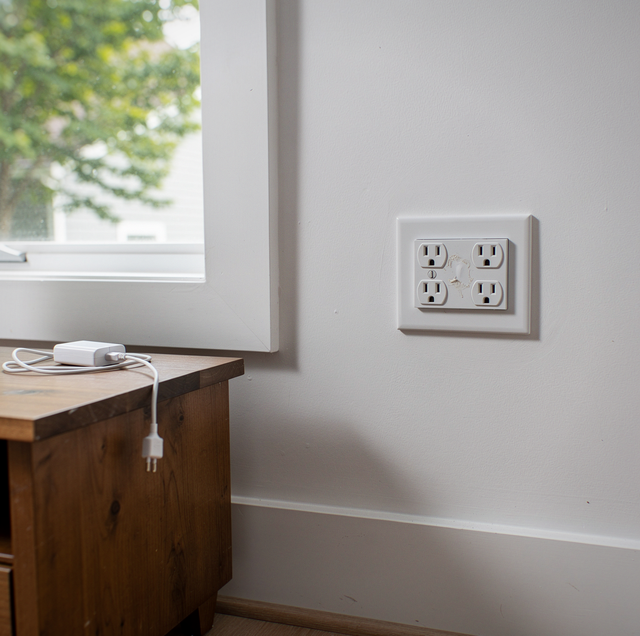
Stop what you're doing. Do not sniff around trying to pinpoint the exact outlet, do not open the panel cover, and do not assume it will fade on its own. A burning smell near an outlet or a panel is one of the few electrical symptoms where the right first move matters more than a full diagnosis, and the right first move is the same no matter which of several causes is behind it.
Here is the order of operations, followed by what is actually happening behind the wall or inside the panel, and why some versions of this smell are far more urgent than others.
The First Three Steps, In Order
Step one: cut power to that circuit at the panel: If you know which breaker feeds the outlet or fixture, switch it off. If you are not sure, and the smell is strong or getting stronger, switch off the panel's main breaker instead. A circuit that is not energized cannot arc, spark, or keep heating a bad connection.
Step two: get people and pets clear of the smell, and ventilate: Open windows near the source if it is safe to do so. Burning insulation and overheated plastic release fumes that irritate the eyes and airways at low concentrations and become a real health hazard at higher concentrations, so treat the smell as a reason to clear the air, not just note it and move on.
Step three: call a licensed electrician before you touch anything else: Do not remove the outlet cover plate, do not unplug anything from that circuit hoping to "test" it, and do not reset the breaker to see if the smell was a one-time thing. Leave the breaker off and tell the electrician exactly what you smelled, where, and whether it's happened before; that description is what lets them prioritize the call correctly before they ever walk in the door.
What a Burning Smell Actually Means
A burning or "hot plastic" smell near an outlet or a panel is almost always due to one of a small number of mechanisms, each with a different level of urgency.
A loose connection arcing under a device screw: Every outlet, switch, and breaker terminates a wire under a screw or a spring clamp. Over years of thermal cycling, heating slightly under load and cooling when the load stops, a connection can loosen just enough that current has to jump a tiny gap instead of flowing through solid contact. That arcing generates heat well above the wire's insulation rating, and the smell you notice is the insulation starting to cook.
An overloaded circuit that isn't tripping the way it should: A breaker is supposed to open before a circuit's wiring gets hot enough to smell. If a breaker has aged beyond reliable operation, or if it's an older hazard-brand design with a well-known record of failing to trip under fault conditions, the circuit can run hot without the safety device intervening. This is one of the reasons a burning smell is treated as more urgent in a home with a Federal Pacific Stab-Lok or Zinsco panel than one with a modern panel.
A failing device itself: Outlets, switches, and dimmers have internal contacts and, in dimmers, electronic components that can degrade and overheat independent of the wiring behind them. A smell isolated to a specific device, especially one that also feels warm to the touch or shows discoloration on the cover plate, often points to the device rather than the wiring.
A rodent or insulation issue in the wall cavity: Less common but real: chewed wire insulation or, in rare cases, nesting material against a warm junction box can produce a burning smell that has nothing to do with a loose connection at all. This is one reason a licensed electrician opens the wall or the box rather than guessing from the smell alone.
Overheating inside the panel: A burning smell that seems to come from the panel itself, rather than a specific outlet, is more urgent territory: a loose lug on the main breaker or a bus bar connection under a branch breaker can generate serious heat right at the heart of the system. Discoloration on the panel cover, a faint haze, or heat you can feel radiating from the closed panel door are signs this is not a minor issue.
Reading the Smell Itself
A sharp, acrid, "melting plastic" smell is different from a faint dusty smell, and the difference matters. A faint smell the first time a rarely used outlet or a space heater circuit is loaded, similar to the smell of dust burning off a furnace on its first run of the season, can clear within minutes and not repeat. A smell that intensifies, returns every time the circuit is used, or comes with any visible smoke, sparking, or a warm cover plate is not a "wait and see" situation under any circumstances.
What Not to Do While You Wait for Service
Do not run space heaters, vacuums, or any other appliance on that circuit "just to see." Do not tape over a warm outlet cover plate. Do not assume that because the smell faded, the underlying connection repaired itself; a loosened screw terminal does not tighten itself back up, and the arcing will resume the next time that circuit carries a real load.
Frequently Asked Questions
Yes, as long as the smell and the affected circuit are isolated to the one you shut off. Outlets on unaffected circuits don't share the wire or connection causing the problem, so normal use elsewhere in the house doesn't pose a risk. The exception is a smell that seems to come from the panel itself rather than one outlet; in that case, treat the whole panel as off-limits, not just the circuit you switched off, since a main lug or bus bar problem can affect more than one circuit at once.
Not always, but it always means a connection or component is running hotter than it's designed to, which is the same mechanism that precedes an electrical fire. Treating every instance the same way- power off, ventilate, call a professional- costs you nothing when the cause turns out to be minor and protects you completely when it doesn't.
An AFCI breaker is specifically built to detect the electrical signature of arcing, the kind of intermittent, high-heat fault that a loose connection produces, and trip before it progresses to visible heat or smell. A standard breaker without arc-fault protection only watches for overcurrent, not the arcing signature, which is one reason older circuits without AFCI protection can carry a developing fault longer before anything trips.
A technician typically starts at the panel with a thermal check of breaker connections and bus bars, then works outward to the suspected outlet or device, checking torque on the terminal screws (a loose screw is often visibly or measurably under-tightened compared to a properly seated one), examining the wire insulation for discoloration, and testing the device itself. Isolating the exact connection, rather than just replacing the visible outlet, is what actually prevents the smell from returning to a different device on the same run.
Yes, and arguably more, since extension cords are rated for lighter loads than permanent wiring and are a common source of exactly this kind of overheating when overloaded or run under a rug or furniture leg. Unplug it immediately, let it cool, and replace it; a cord that has overheated once has already had its insulation compromised and should not go back into service.
The physical causes are the same, but older homes carry more of the risk factors that make a burning smell more likely to repeat: aluminum branch-circuit wiring at connections that were never remediated with copper pigtails, decades of thermal cycling on original screw terminals, and in some cases a hazard-brand panel whose breakers have a track record of not tripping when they should. None of that changes the first three steps, but it does mean a licensed inspection afterward is worth treating as a priority rather than something to schedule around.
Most electrical symptoms give you time to think something through. This one doesn't reward that. The smell is your only warning that a connection is already failing, so treat the first whiff the same way you'd treat the tenth: breaker off, room cleared, phone in hand before you've talked yourself into "just checking."
Call now if you smell burning near an outlet or panel — get a licensed electrician tracing the exact connection before it becomes a bigger problem. Rojas Electric serves Fairfax and all of Northern Virginia. Call (703) 810-3693.
