
Aluminum Wiring in an Older Home? How to Spot the Risk
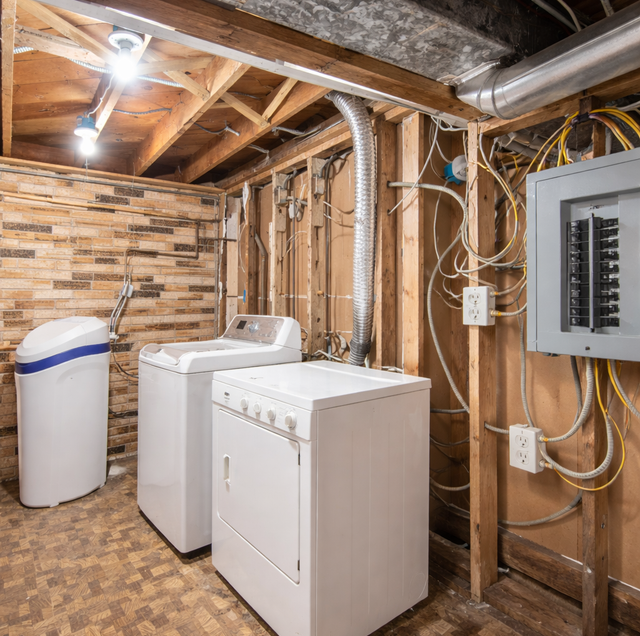
You are standing in the basement of a house that went up sometime around 1970, staring at a panel full of breakers, and a question you half-remember from the home inspection comes back: does this place have aluminum wiring? Maybe a neighbor mentioned it. Maybe you caught a whiff of warm plastic near an outlet, or a switch plate felt oddly warm under your fingers. The honest answer is that you cannot settle it by looking at the panel cover, and you should not go pulling outlets apart to find out. But you can learn what to look for, understand why aluminum branch wiring earned its reputation, and know what a real repair looks like so you are not talked into the wrong one.
How to Tell If Your Home Has Aluminum Branch Wiring
A few clues, taken together, tell you whether aluminum is likely and where it would be.
The age of the house: Solid aluminum wiring was used for ordinary 15- and 20-amp branch circuits, the ones feeding your outlets, switches, and lights, mostly in homes built or rewired from about 1965 to the mid-1970s. Copper prices spiked in that window, and aluminum was the cheaper conductor. If your house predates or postdates that stretch, aluminum branch wiring is far less likely, though a later addition or a repair could still have used it.
Printing on the cable jacket: Where wiring is visible, and you can read it without touching anything live, in an unfinished basement, an attic, or where cable enters the panel, the outer sheath usually has text stamped along it every so often. Aluminum cable typically carries the word ALUMINUM or the abbreviation AL, sometimes AL-CU on older device markings. Copper cable is marked COPPER or CU, or carries no metal name at all. Reading the jacket from a safe distance is the closest thing to a definitive check a homeowner can do without opening anything.
The color of the conductors themselves: Behind a device, aluminum branch wire is a solid, single-strand conductor with a dull silver or pewter finish, where copper is the familiar reddish-gold. Seeing that, though, means removing a cover plate and pulling a device, which puts your hands near energized terminals. This is where you stop and let a licensed electrician look. An electrician kills the circuit, pulls a few representative devices, and confirms the metal and its condition in minutes.
One distinction matters more than any other, and it is the one that gets homes mislabeled as dangerous when they are not. Only the small solid branch-circuit aluminum is the concern. The large aluminum conductors feeding the meter and the main panel, the service-entrance and feeder cables, are stranded, are made from a different, later alloy, and remain a standard, accepted material used in new homes every day. If an inspector notes aluminum at the service entrance, that is normal. What warrants attention is solid aluminum running the branch circuits inside the walls, terminating at every outlet, switch, and fixture.
Why the Risk Lives at the Connections, Not in the Wire
Aluminum carries current perfectly well. A run of aluminum wire sitting inside a wall is not the hazard. The trouble is concentrated at the ends, at every point where the wire lands under a screw on an outlet, a switch, a fixture, or a splice inside a box. Two properties of aluminum work against a lasting connection there.
It moves more than copper: Aluminum expands and contracts with temperature more than copper does, and every circuit heats up as it carries load and cools when the load drops. Over thousands of these cycles, an aluminum conductor clamped under a terminal screw slowly works itself looser than copper would in the same spot. A loose connection is a high-resistance connection, and resistance turns electricity into heat right at that junction.
It grows an insulating skin: Exposed aluminum reacts with air and forms a thin layer of aluminum oxide on its surface. Unlike copper oxide, aluminum oxide is a poor conductor, so it adds resistance exactly where you want a clean metal-to-metal contact. As that oxide builds at a slightly loose terminal, the connection runs hotter still, which loosens it further, a slow feedback loop hidden inside a closed box.
Heat at a terminal is what you actually feel and smell when aluminum wiring goes bad: a warm or discolored cover plate, a faint smell of hot plastic, a light that flickers, a receptacle that has gone dead without tripping a breaker. The U.S. Consumer Product Safety Commission has estimated that homes with this older solid aluminum branch wiring are far more likely to have connections reach fire-hazard temperatures than comparable copper-wired homes, and that risk is precisely why the repair targets the connections. The wire in the wall can stay. It is the hundreds of terminations that need to be made permanently sound.
The Repairs That Actually Fix It
Here is the part worth getting right, because the cheap-sounding options are not real fixes. Simply going around and re-tightening every screw does not last; the same expansion, contraction, and oxide that loosened the connection in the first place will loosen it again. Swapping standard outlets and switches for devices stamped CO/ALR, which are rated to accept aluminum directly, is an improvement over ordinary devices but is not considered a complete permanent remedy on its own, and CO/ALR-rated devices are not made for every fixture and splice in a house.
The two repairs recognized as permanent both work the same way in principle: they attach a short length of copper wire, a pigtail, to the end of each aluminum conductor, so the device itself connects only to copper. The difference is how the copper is joined to the aluminum.
COPALUM crimp connectors: A COPALUM repair uses a special metal sleeve crimped over the aluminum and copper together with a proprietary, calibrated tool, forming a cold-welded connection sealed against oxidation. It is regarded as the gold-standard fix, and it must be done by an electrician trained and certified on the tooling, which is not something every shop carries.
AlumiConn pigtail connectors: An AlumiConn is a small three-port lug-style connector. The aluminum wire and a copper pigtail each seat in their own port under a set screw torqued to specification, with an oxide-inhibiting compound applied so the contact stays clean. It is more widely available than COPALUM tooling and is also accepted as a permanent connection.
Whichever connector is used, the work is the same shape: a qualified electrician opens every device box, junction, and fixture on the aluminum circuits, and pigtails each connection with the right connector and antioxidant compound, so nothing in the house lands aluminum directly on a device screw anymore. It is methodical work, box by box, and its value is that it is done once and correctly rather than revisited every few years.
What This Means for an Older Home
Finding aluminum branch wiring is not a reason to panic or tear out your walls. The material itself is not on fire in your ceilings, and a whole-house rewire in copper is rarely necessary. What it means is that the connections deserve a proper assessment and, where the wiring is confirmed, a permanent pigtail repair at every device rather than a quick re-tightening. A licensed electrician can verify what you actually have, check the existing terminations for heat damage, and lay out a fix that suits the house. Once the connections are made sound, aluminum branch wiring is not the lurking hazard its reputation suggests.
Frequently Asked Questions
In most cases, yes, provided nothing is actively signaling trouble. Watch for the specific warning signs: cover plates that feel warm, a burning-plastic smell near an outlet or switch, lights that flicker for no reason, or a receptacle that has gone dead. Any of those means stop using that circuit and call an electrician promptly rather than waiting. Absent those signs, aluminum connections tend to degrade slowly, so scheduling the repair deliberately is reasonable, but it is not a job to leave undone for years.
Not entirely. CO/ALR receptacles and switches are built to handle aluminum more reliably than standard devices, so they are better than ordinary outlets, but the Consumer Product Safety Commission does not treat a device swap alone as a full permanent fix. CO/ALR devices also are not manufactured for many things aluminum connects to, including most light fixtures, hardwired appliances, and the wire-to-wire splices buried in junction boxes. A pigtail repair covers every one of those points; a device swap does not.
Those are a different situation. Large single-appliance 240-volt circuits, and the service-entrance and feeder cables, use stranded aluminum of a modern alloy and are a normal, accepted installation, not the hazard associated with old branch wiring. The connections at those big terminals are still torqued to spec and treated with an antioxidant, but a stranded aluminum feeder to a range or a subpanel is not what the aluminum-wiring warnings are about. The concern is specifically the solid single-strand aluminum on the 15- and 20-amp circuits.
Standard twist-on wire connectors are not an accepted way to splice aluminum to copper, and relying on them is a common mistake found during inspections. Aluminum and copper twisted together under a regular wire nut still loosen and oxidize, sometimes worse, because the metals can react with each other. The recognized repairs use connectors designed for the aluminum-to-copper joint, either a COPALUM crimp or an AlumiConn lug with an oxide inhibitor, not a purple wire nut and hope.
Rarely. A full copper rewire means opening walls and ceilings throughout the house and is far more disruptive and costly than pigtailing the existing connections. Because the danger sits at the terminations and not in the wire itself, treating every connection with a permanent pigtail addresses the actual hazard while leaving the sound aluminum runs in place. A complete rewire only makes sense when the wiring is being torn out anyway during a gut renovation, or where the existing wiring is already damaged.
Ask for it to be checked specifically during the inspection rather than assuming it will come up. A home inspector or electrician can pull a few representative devices, read the cable jacket markings, and note the conductor metal and the condition of the terminations, including any signs of past overheating like discoloration or brittle insulation. Getting that confirmed before closing lets you understand the scope of any pigtail work rather than discovering it after you own the place.
If you suspect aluminum branch wiring in an older home — have a licensed electrician confirm it and make the connections permanently sound with the right pigtail repair. Rojas Electric serves Fairfax and all of Northern Virginia. Call (703) 810-3693.
