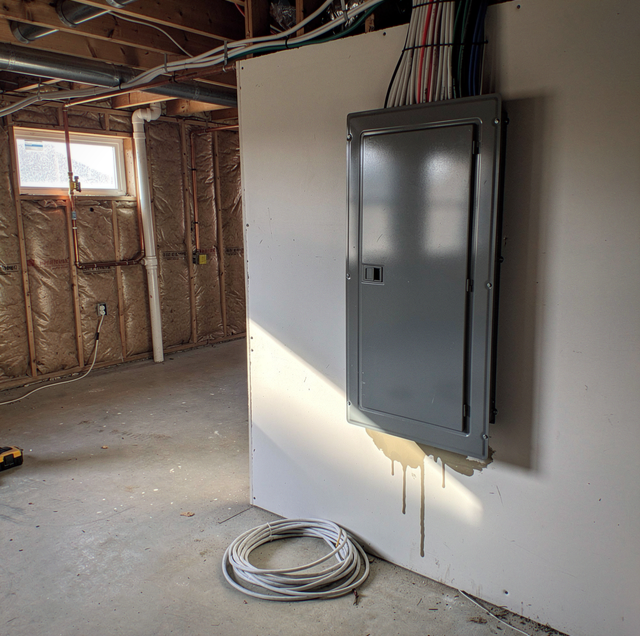
What an Electrical Panel Upgrade Actually Involves
Not every call that starts with "I think I need a panel upgrade" ends with an amperage upgrade.
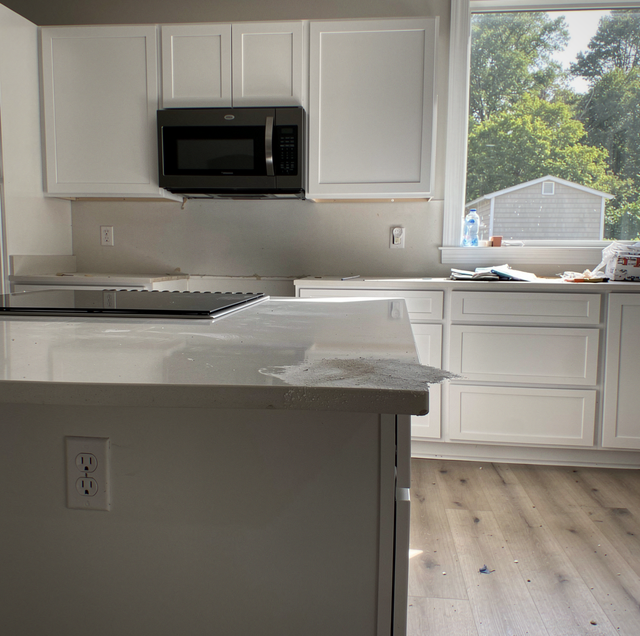
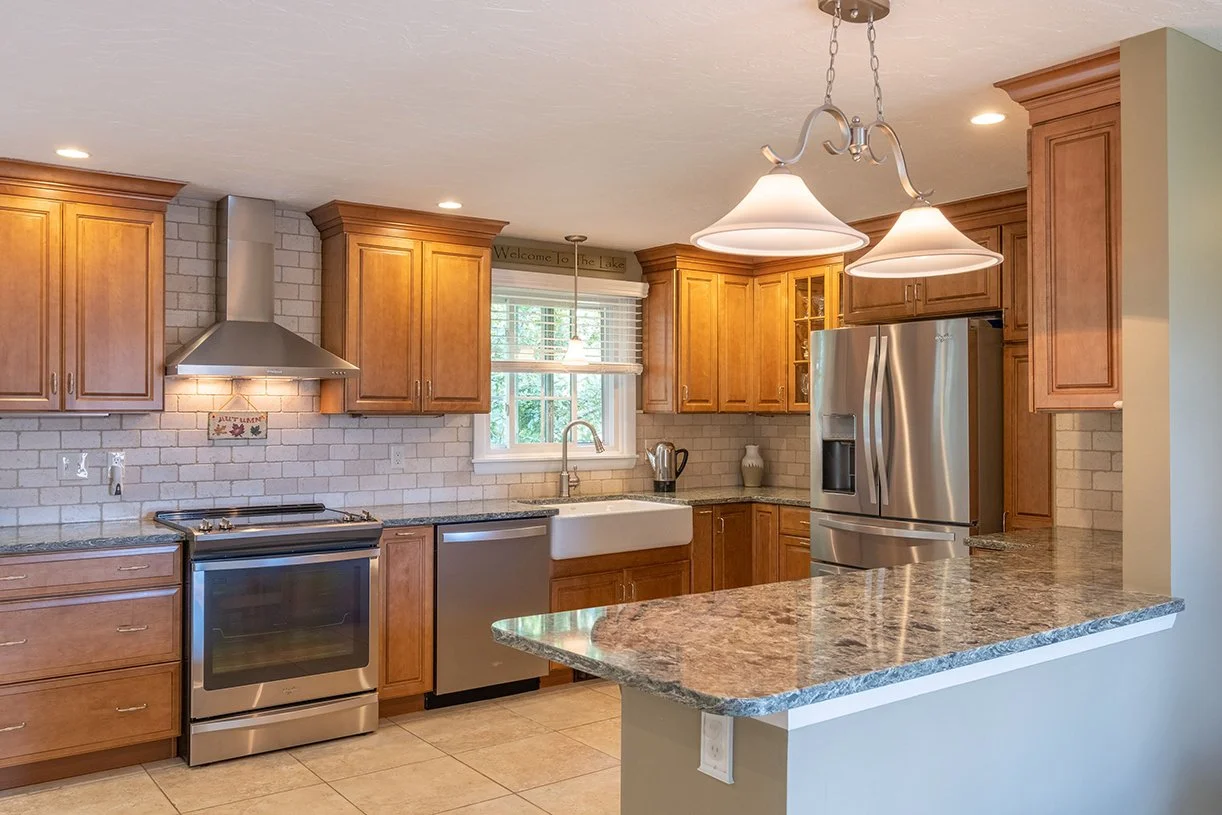
What Kitchen Remodel Electrical Work Actually Covers
Myth: kitchen remodel electrical work is basically moving a few outlets around to match the new cabinet layout.That's the part homeowners picture, and it's the smallest part of what actually happens.
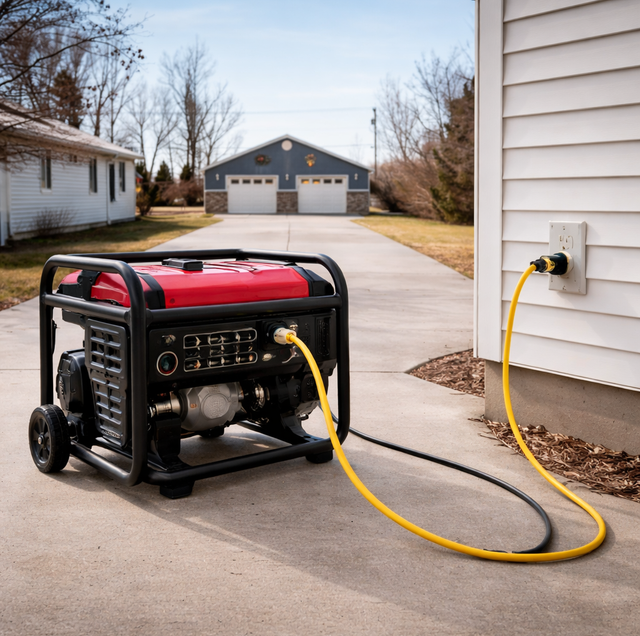
Plugging a Generator Into a Wall Outlet: Why It Can Kill
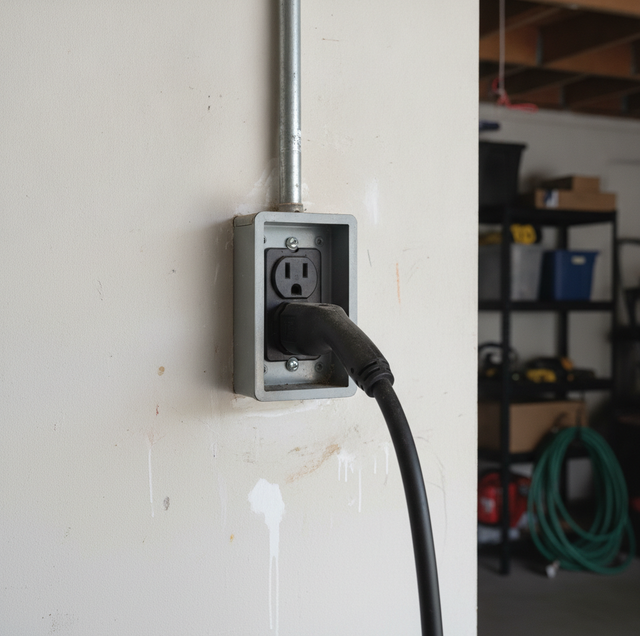
The power goes out during a storm, the portable generator is running in the driveway, and someone remembers a shortcut they heard about: run a cord from the generator into a regular wall outlet, or the dryer outlet, and the whole house comes back to life.
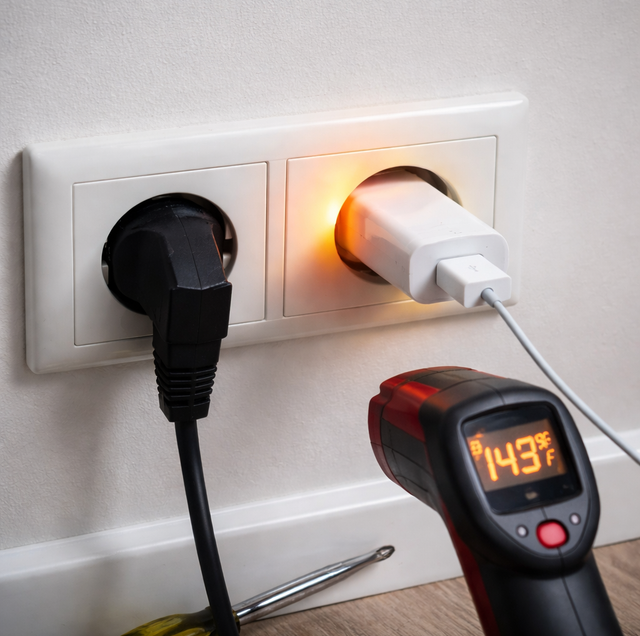
Why Your Outlet Feels Warm or Hot — and When to Worry
You go to unplug a phone charger, and the prongs are warm. Or you brush a hand across the wall, and the plastic faceplate feels warmer than the paint around it.
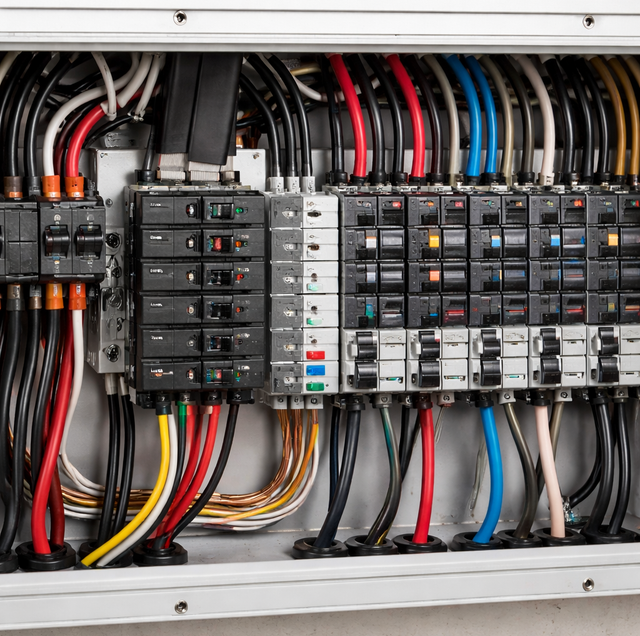
Federal Pacific or Zinsco Panel? The Breaker That Won't Trip
You are a few weeks into buying an older home, the offer accepted and the finish line in sight, when the inspector's report lands with a line highlighted near the electrical section.
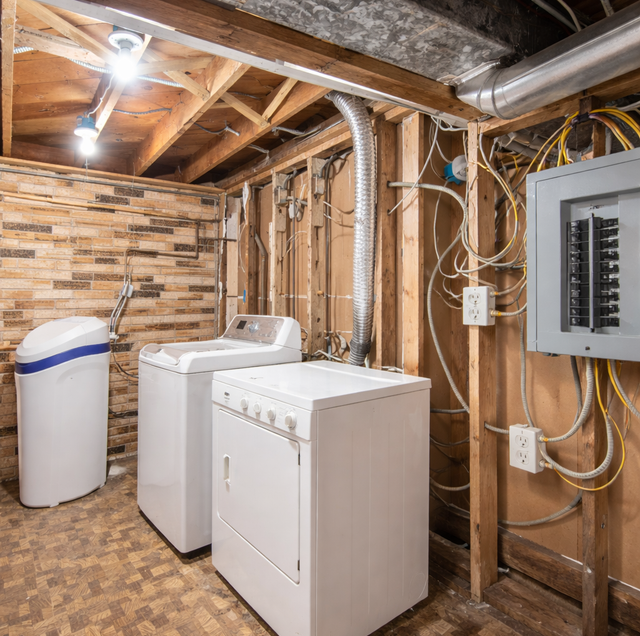
Aluminum Wiring in an Older Home? How to Spot the Risk
You are standing in the basement of a house that went up sometime around 1970, staring at a panel full of breakers, and a question you half-remember from the home inspection comes back: does this place have aluminum wiring?
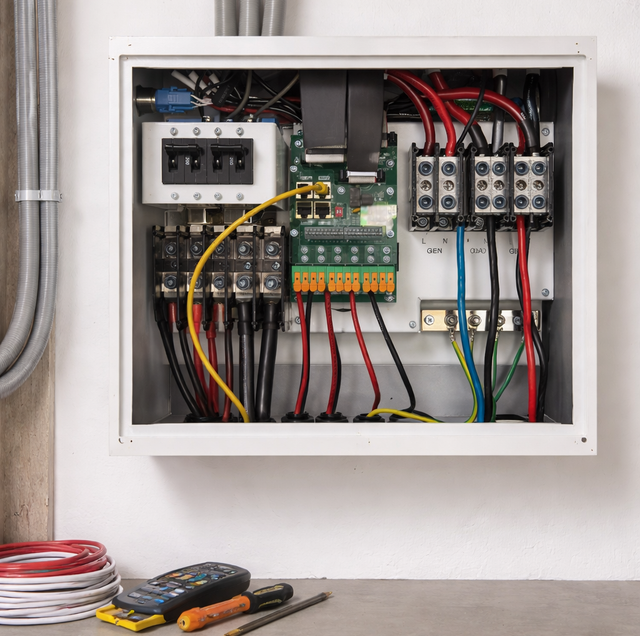
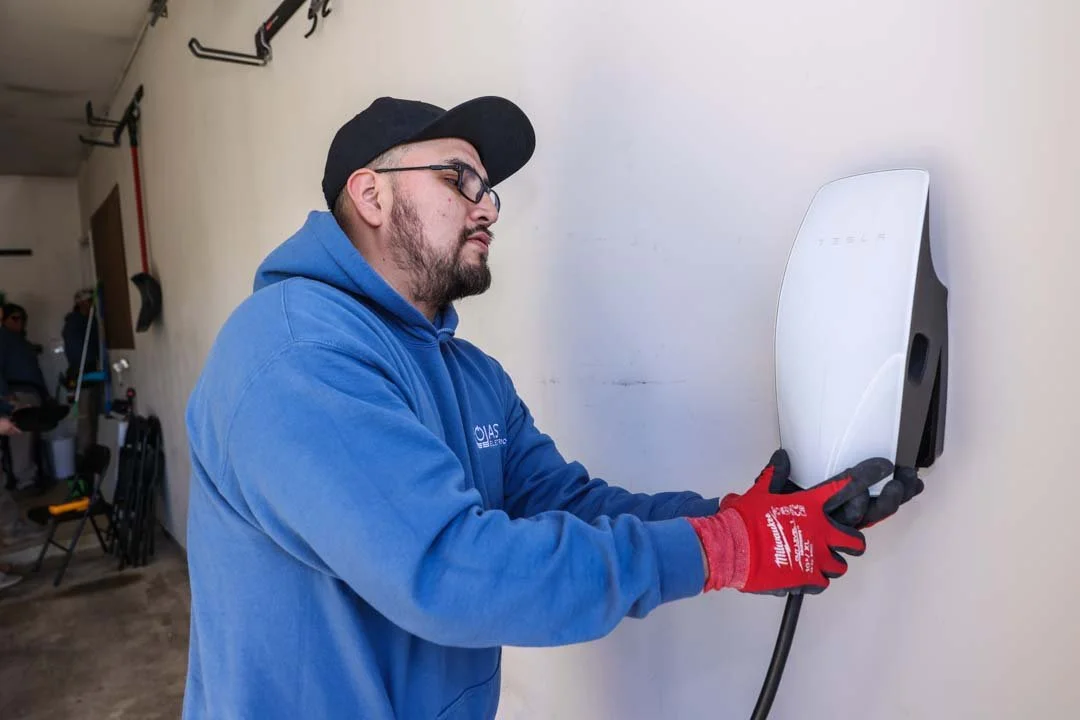
Can Your Panel Handle an EV Charger Without a Full Upgrade?
Adding a Level 2 charger rarely requires tearing out your panel for a bigger service, even though that is the first thing many people assume.
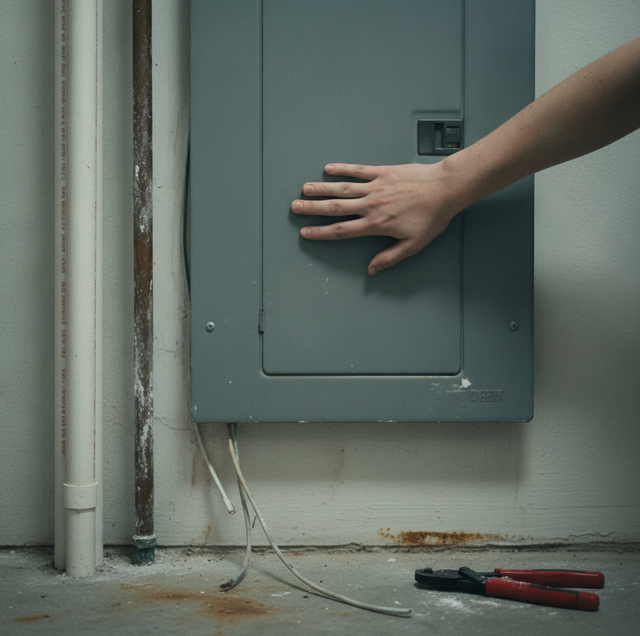
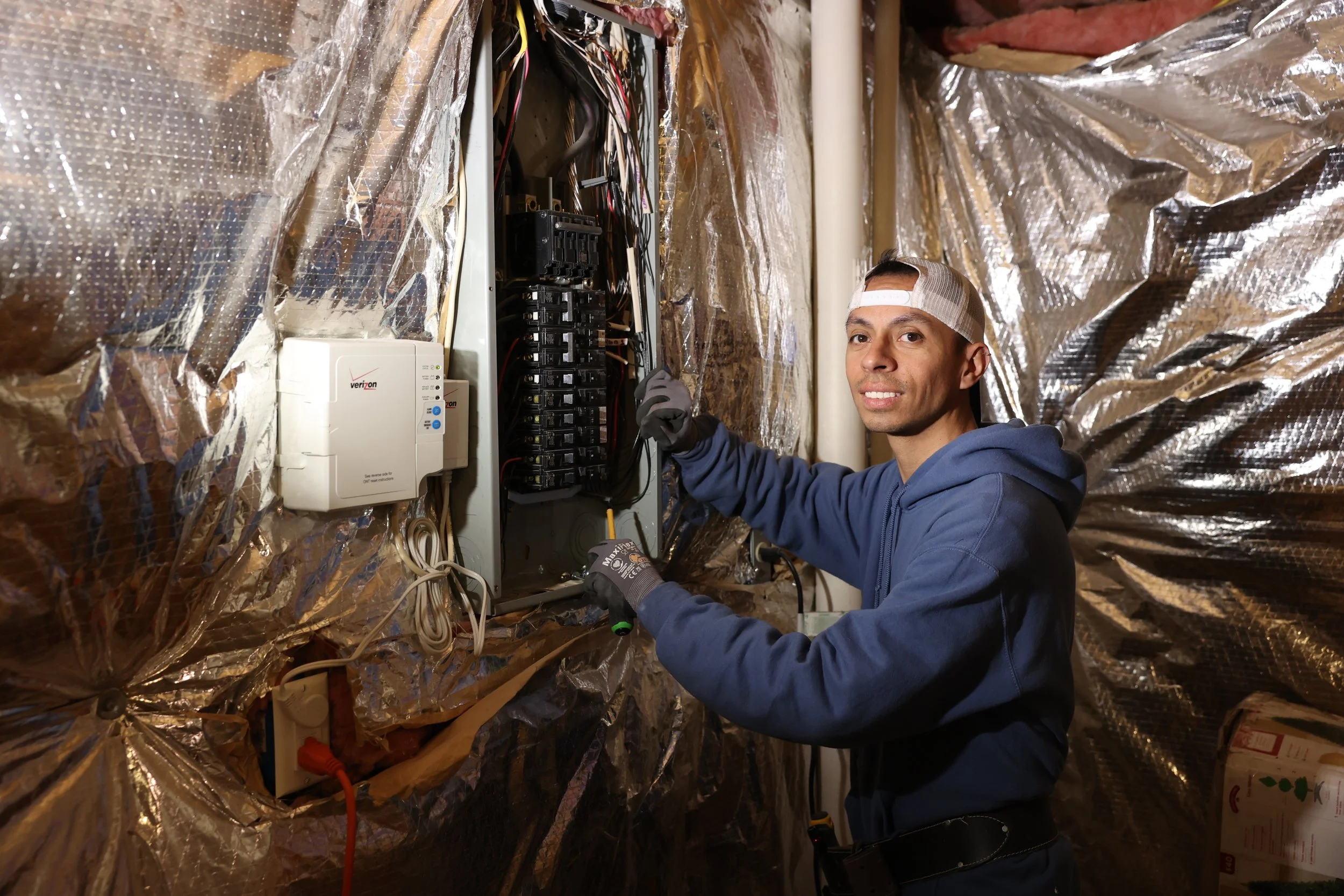
Electrical Panel Warm or Hot to the Touch? What to Do
You reach past the laundry room door to reset a breaker, and the steel cover of the panel is warm under your palm. Not scalding, not enough to snatch your hand back, but clearly warmer than the drywall next to it. Sometimes it reaches you a different way: a faint smell of hot plastic near the panel, a buzz or a soft crackle you have not heard before, or a single breaker that feels warmer than the ones beside it. A panel that runs warm is telling you that somewhere inside, current is meeting resistance and turning into heat. What you do in the next few minutes is worth getting right.
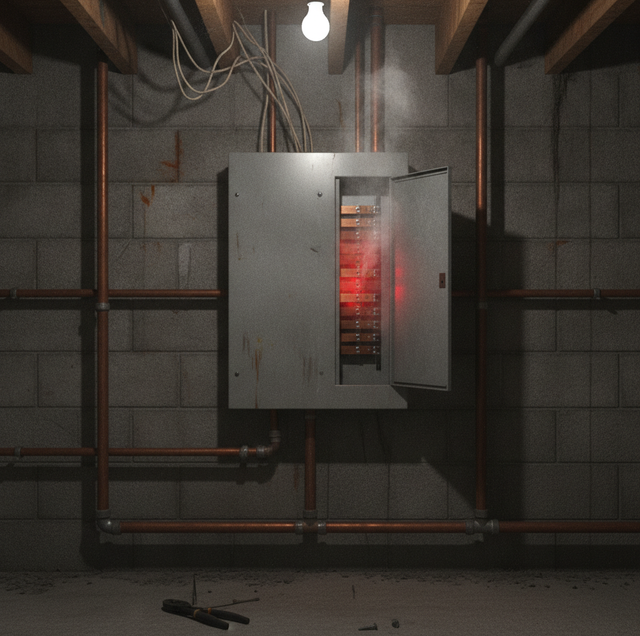
6 Signs Your Electrical Panel Is Overloaded, and What to Do
You are running the microwave and the coffee maker on a weekday morning, someone switches on a space heater down the hall, and the kitchen goes dark. You walk to the panel, flip the tripped breaker back on, and it holds until the next time those same things run together. Rest your palm flat on the metal cover, and it feels warm, warmer than the wall beside it. None of that is random. It is the panel telling you that the demand you keep asking of it has crept up to the edge of what it was built to carry.
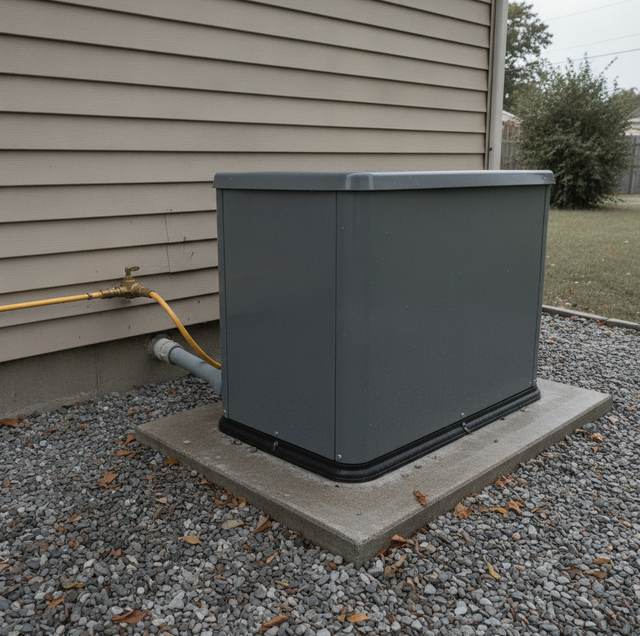
Battery Backup vs. Standby Generator: Which Fits Your Home
The power drops at two in the morning, and the house goes silent. With a battery backup, you might not even notice. A wall-mounted battery holds a charge from the day, and the instant the grid fails, its inverter picks up the load and keeps your circuits running on stored energy without a sound. A standby generator does the opposite. It sits outside like an air conditioner, waits for the outage, then cranks itself on within seconds and burns fuel to carry the house, running as long as the fuel keeps coming.
Level 1 or Level 2 EV Charging? How to Pick a Home
Most new EV owners walk in assuming they need the fastest charger they can buy. It feels like the safe bet: more speed, less waiting, one less thing to think about. But the right charger at home isn't the fastest on the shelf. It is the one that quietly keeps up with how you actually drive. The real question is not "how fast can it charge," it is "how many miles can it put back while the car sits in your driveway overnight." Once you answer that, the choice between Level 1 and Level 2 usually makes itself. Some drivers are fine with the cord that came in the trunk. Others are chasing their own range every morning and do not realize that a dedicated circuit would end the problem for good.
Is Whole-Home Surge Protection Worth It? What It Really Guards
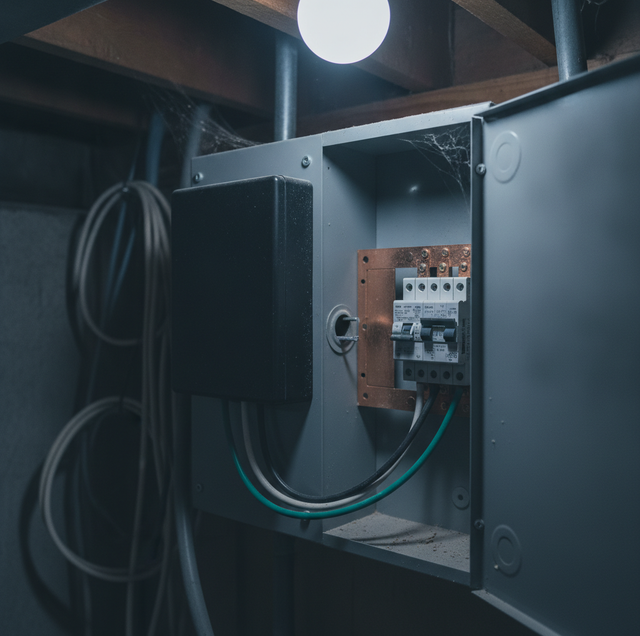
There is a power strip behind your TV with a little green light, and probably another one in a drawer you swear still works. So the surge question feels handled. It is not. That strip protects whatever is plugged into its own outlets and nothing else, which leaves out almost everything expensive in the house. The furnace or heat pump control board is hardwired. So is the well pump, the range, the wall oven, the dishwasher, and every recessed LED driver in the ceiling. None of that runs through a strip. The belief that a few cords in the living room cover the whole home is the most common misreading of how surge protection works, and it's worth clearing up before deciding whether the whole-home version earns its place.
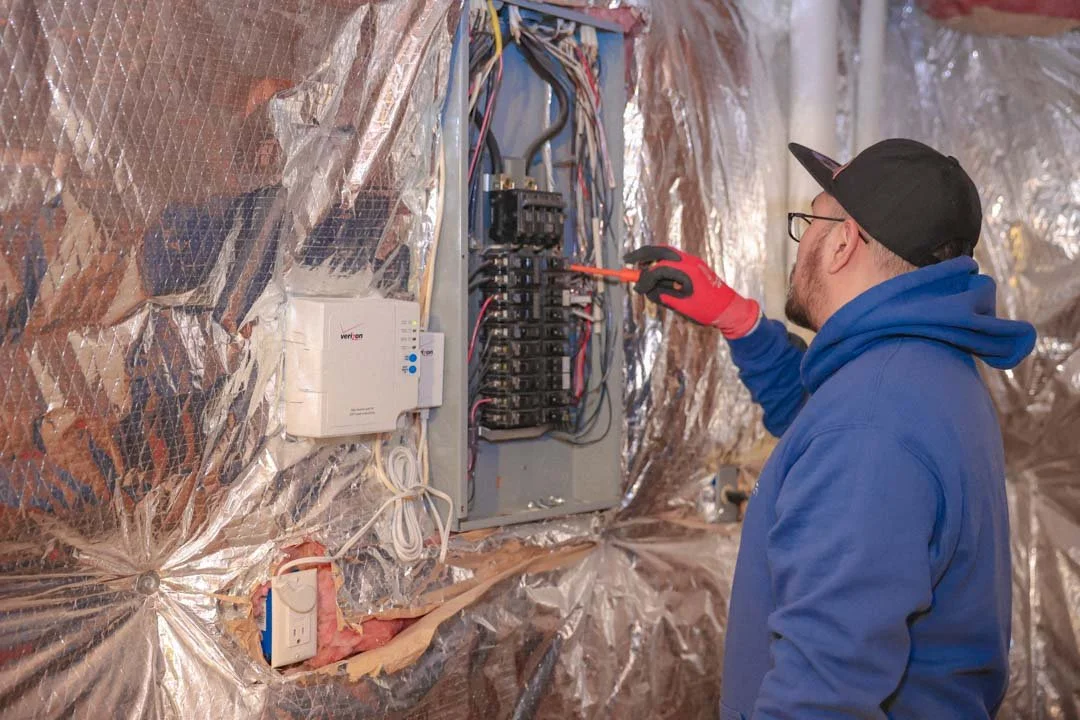
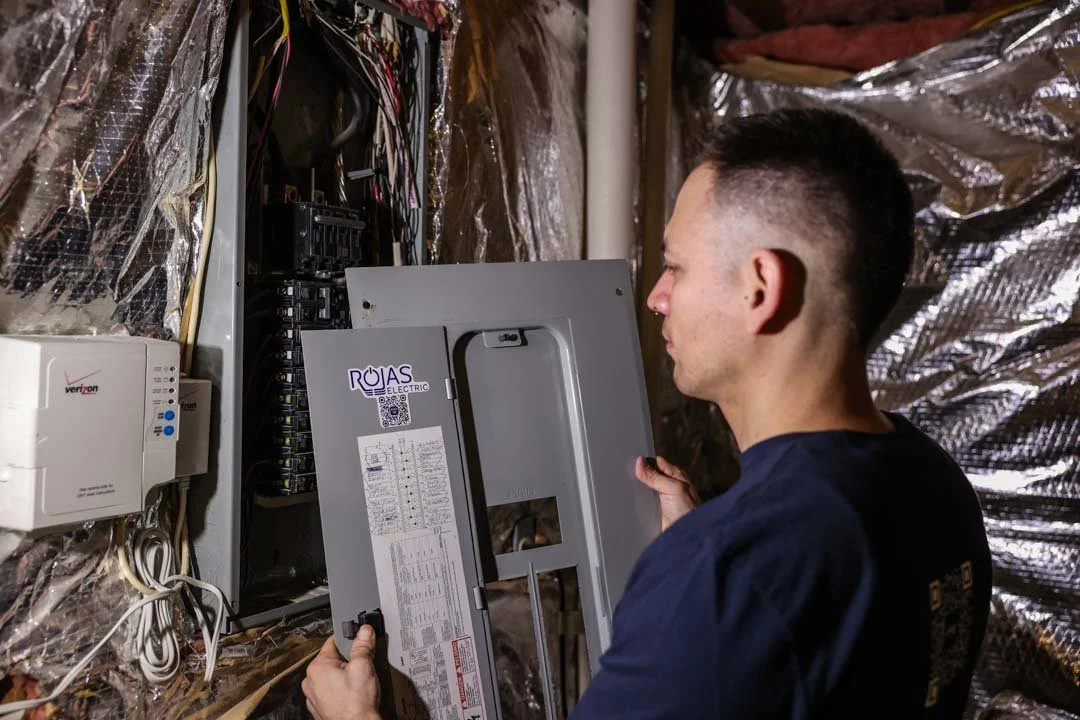

Fairfax Kitchen Remodel Tripped the Breaker Before It Was Even Finished
It All Begins Here